
Cloud & DevOps
Infrastructure that scales, recovers and costs what it should.
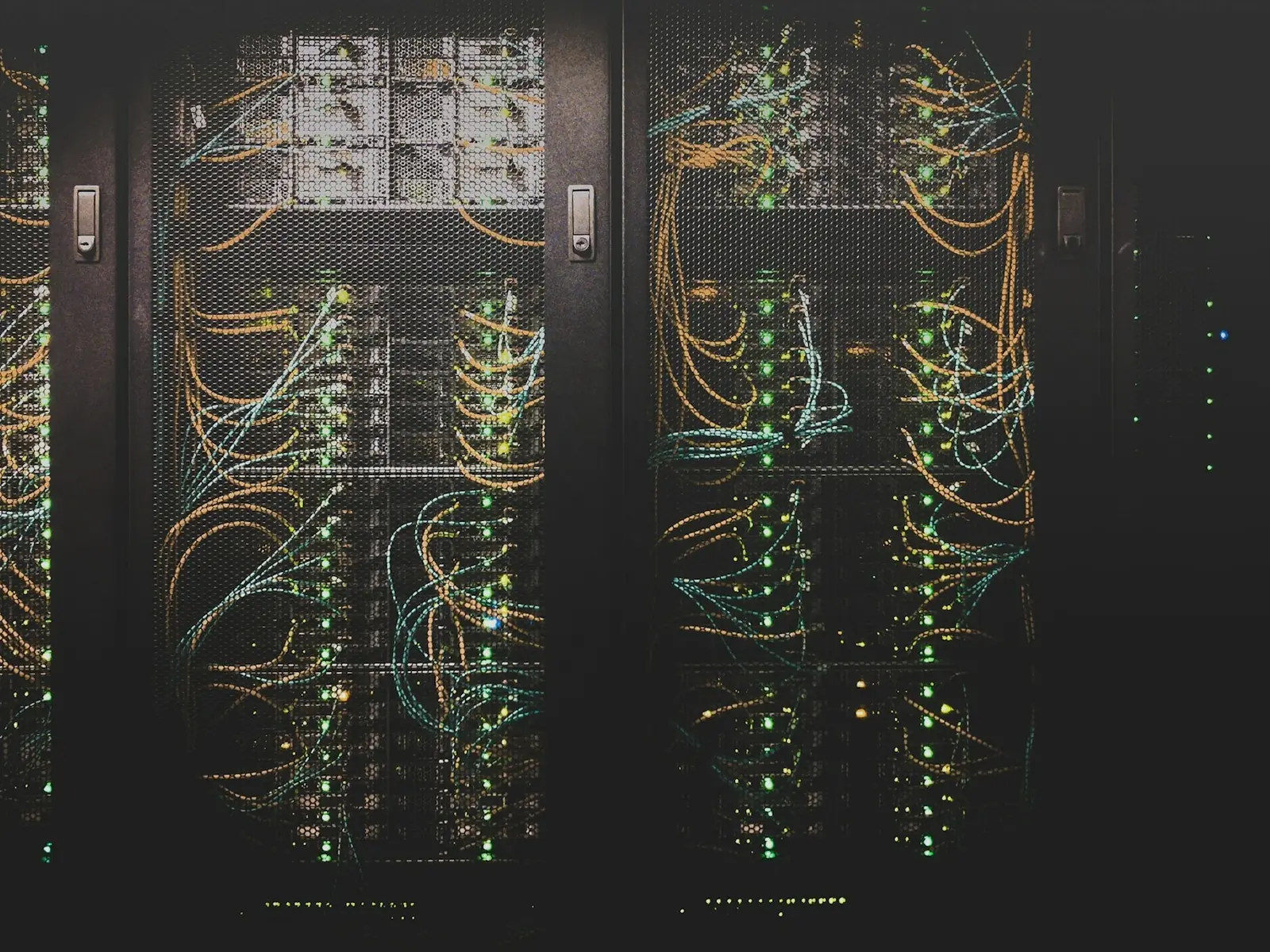
We design and run infrastructure on AWS, Azure and Google Cloud, or on your own servers. Infrastructure as code, automated deployments and monitoring make releases routine, outages rare and costs visible.
In detail
Many organisations run applications on servers that were sized years ago, deployed by hand and documented in someone's memory. Moving them to the cloud without changing how they are built and operated often reproduces the same problems at a higher monthly cost. A sound cloud migration starts from the workload: what it needs in availability, performance, data location and budget, and which platform, whether AWS, Azure, Google Cloud or your own data centre, fits it best.
WOW Digital treats infrastructure as a product that is versioned, tested and reviewed like application code. We describe environments in Terraform, package services in containers and connect them to CI/CD pipelines, so every change follows the same path to production. Monitoring, alerts and cost reports are set up from the first day, not after the first outage. The result is an environment your team understands, can rebuild and can hand over without depending on one person.
What we do
Cloud architecture
Designs balanced for availability, security and cost.
Cloud migration
Applications and data moved with planned, low-risk cut-overs.
Containers and Kubernetes
Docker and Kubernetes for consistent, scalable deployments.
Infrastructure as code
Terraform-managed environments you can rebuild in minutes.
CI/CD pipelines
Automated tests and deployment on every change.
Cost optimisation
Right-sized resources and monthly cost reviews.
How we work on it
Workload assessment
We inventory applications, data flows and dependencies, measure current usage and classify each workload by criticality, legal constraints and suitability for the cloud.
Landing zone setup
We prepare accounts, networks, identity, logging and budgets as code, so the target platform is secure and governed before any application moves to it.
Staged migration waves
Workloads move in small groups, each with a rehearsal, a data synchronisation plan, an agreed cut-over window and a tested way back to the old system.
Operate and optimise
After go-live we monitor performance and spending, tune resources, automate routine tasks and review the architecture as your usage and requirements change.
What you get
- Frequent releases without stress
- Recovery plans that are tested, not assumed
- Lower, predictable cloud bills
- Every environment documented as code
Where it applies
Public administration systems
Hybrid set-ups that keep regulated data in national data centres or on-premises, while public portals run on scalable cloud infrastructure with documented security controls and audit trails.
Retail and e-commerce peaks
Platforms that scale out for seasonal campaigns and sales events, then scale back automatically, so capacity follows demand and checkout stays responsive during the busiest hours.
Software product teams
Container-based environments and CI/CD pipelines that let developers create test environments on demand, release several times a week and roll back quickly when a change misbehaves.
What we deliver
- Cloud readiness assessment and migration plan
- Architecture diagrams with documented design decisions
- Terraform code for every environment
- CI/CD pipelines with automated tests
- Runbooks, monitoring dashboards and alert rules
Technologies
- AWS
- Azure
- Google Cloud
- Docker
- Kubernetes
- Terraform
- CI/CD
Common questions
Should everything move to the cloud?
Not always. Some workloads are cheaper on-premises or must stay there for legal reasons. We often design hybrid set-ups.
Can you manage our infrastructure after the migration?
Yes, with 24/7 monitoring and support under an SLA, following processes certified to ISO 20000-1.
What drives the cost of a cloud migration?
Mainly the number and complexity of your applications, how much they need to change, the volume of data to move and the downtime you can accept. A short assessment gives a scoped estimate before you commit to the full migration.
How long does a migration take?
It depends on the number of applications, their dependencies, the data volumes and how often cut-overs can be scheduled. Simple workloads can move in a few weeks; larger estates move in waves over several months, each wave delivering working systems.
Who owns the cloud accounts and the infrastructure code?
You do. Accounts are opened in your organisation's name, and the Terraform code, pipelines and documentation are stored in your repositories. We work through delegated access that you can review or revoke at any time.
Related services


Ready to talk about it?
Describe what you need. A specialist will review it and propose the next step.